
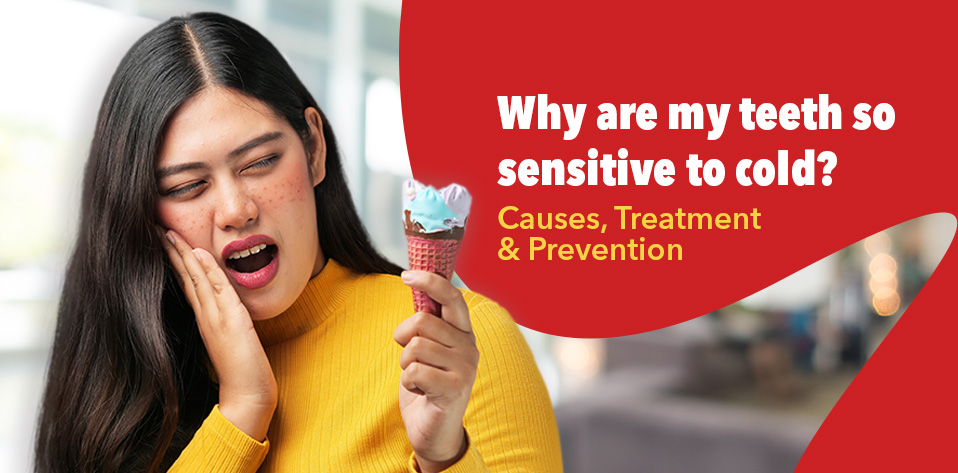
Sometimes we feel the sudden pain in teeth when having cold drinks or ice cream. Tooth sensitivity to cold, also known as dentin hypersensitivity, is a common issue that can seriously interfere with enjoying your favorite foods.
So, what’s going on within your mouth to generate this uncomfortable reaction? The good news is that in many cases, it may be treated and prevented!
Then let’s look into what’s tooth sensitivity. Tooth sensitivity, also known as dentin hypersensitivity, occurs when the protective enamel on your teeth wears down or when gum recession exposes the tooth roots. This exposes the inner layer of the tooth called dentin, which contains tiny tubules that lead directly to the tooth’s nerve center (the pulp). When cold (or sometimes hot, sweet, or acidic foods) reach these nerves, it triggers pain or discomfort.
The exposure of the dentin or root surfaces is the main source of cold sensitivity.
Enamel Erosion
Acidic meals, hard brushing, and teeth grinding can all cause enamel to break down over time. Without this protective layer, temperature fluctuations can easily reach the nerves.
Gum Recession
Gum recession exposes the tooth roots, which are not covered by enamel. These roots are highly sensitive to cold and other stimuli.
Tooth decay or cavities
Decay weakens enamel and forms holes, exposing the tooth’s inner layers to low temperatures.
Cracked or Chipped Teeth
Cracks can expose the dentin or pulp, leading to sudden sharp pain when cold air or liquid touches the tooth.
Fillings that are worn out or leaky
Old fillings may leak, shrink, or shatter, making it possible for cold substances to get to the sensitive parts inside.
Sometimes temporary sensitivity is common after procedures like teeth whitening, fillings, or crowns. It typically subsides within a few days.
How to treat it?
There are several treatments available for tooth sensitivity, depending on the underlying reason and severity of the issue. Common treatments include;
Desensitizing Toothpaste
Specially designed can block nerve pathways and relieve pain over time.
Fluoride treatments
Your dentist may use fluoride gel or varnish to strengthen enamel and reduce sensitivity.
Dental bonding or sealants
Bonding chemicals or sealants can cover sensitive areas caused by exposed roots or enamel erosion.
If sensitivity is caused by pulp inflammation or infection, a root canal may be required to remove injured nerve tissue and relieve discomfort.
Lifestyle changes: Making changes to your oral hygiene routine, such as using a soft-bristled toothbrush and avoiding abrasive toothpaste or aggressive brushing techniques, can help reduce sensitivity. Additionally, avoiding acidic foods and drinks, quitting smoking, and addressing teeth grinding or clenching habits can also help improve sensitivity.
It’s important to consult with a dentist to determine the underlying cause of your tooth sensitivity and to discuss the most appropriate treatment options for your specific situation.
If tooth sensitivity persists for more than a few days or the discomfort is severe, see your dentist. Continued sensitivity may indicate:
Early detection can avoid more serious problems and provide long-term comfort.
If cold sensitivity is affecting your daily comfort, don’t ignore it. It could be a sign that your teeth need professional care. Schedule an appointment at Koshy’s Dental Clinic to identify the cause and receive personalized treatment for a healthy smile.
Teeth Whitening Treatments What Works Best

Smile Makeover in Kochi: Best Cosmetic Dentistry Treatments and Prices...

How a Perfect Smile Can Boost Your Confidence: Tips from...
Pain-Free Dentistry: How Modern Techniques Reduce Dental Anxiety

Why Pediatric Dental Care Matters More Than You Think

How Smoking and Alcohol Affect Oral Health
Importance of Early Orthodontic Treatments for Children
How Often Should You REALLY Replace Your Toothbrush?

How sweets harm your teeth and gums
Fillings, Crowns or Implants- How to Decide Which Restoration is...

Why Do You Need a Root Canal? Common Signs &...

Five New Members Elected To College Of General Dentistry Council

College Council election results

College of General Dentistry – Council Elections Now Open

The Future of Dentistry: Innovations Transforming Oral Healthcare

Choosing the Right Dental Clinic: What to Look for in...

How Oral Health Impacts Your Overall Well-being
