
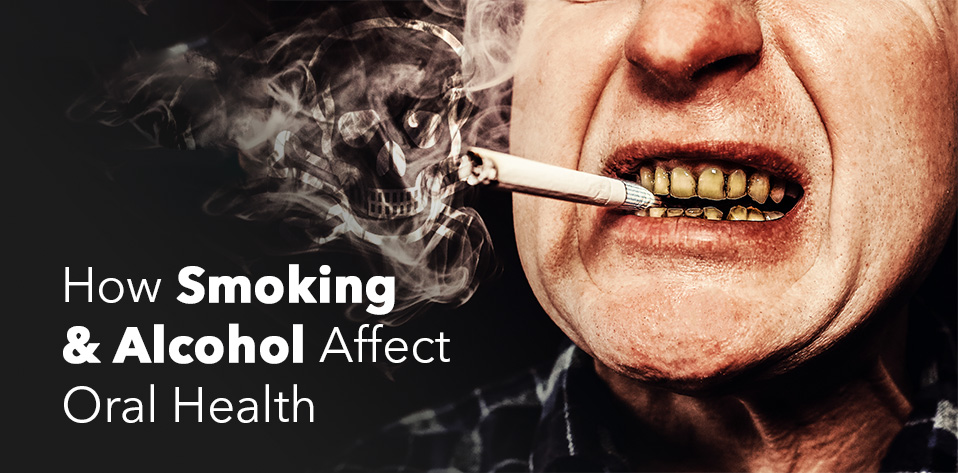
We are all aware that smoking and drinking alcohol can have a bad impact on our health. But did you realize that these habits might also have serious effects for your oral health? In this post, we’ll take a closer look at how smoking and alcohol affect your mouth and teeth.
Smoking causes a significant risk for many kinds of oral health issues. For starters, smoking can give you foul breath and darken your teeth. Smoking can eventually lead to more serious problems such as:
Gum disease: Smoking affects your immune system, making it tougher to your frame to struggle against diseases. This can make you more likely to get gum disease, which can cause swollen, bleeding gums and even tooth loss.
Oral cancer: Smoking is the most common form of oral cancer, which can affect the lips, tongue, cheeks, and neck. Sores, lumps, or persistent spots in your mouth are early indicators of oral cancer.
Delayed healing: Smoking might also make it more difficult for your body to recover from dental procedure like gum surgery or tooth extractions.
For the majority of people, moderate alcohol usage is widely recognized as safe. However, too much alcohol might have a negative impact for your oral health. Here are some of the ways alcohol might harm your mouth and teeth:
Erosion of Enamel and Dry Mouth
Alcohol causes dry mouth by decreasing salivary flow. Decreased saliva levels encourage tooth decay since saliva neutralizes acids to protect teeth.
Increased Sugar Exposure
Many alcoholic beverages include high amounts of sugar. Frequent exposure promotes dangerous bacteria in the mouth, resulting in plaque buildup and tooth disease.
Irritation in soft tissues
Alcohol can irritate the gums, tongue, and cheeks, resulting in inflammation and ulcers over time.
Higher Oral Cancer Risk
Alcohol is a proven carcinogen. Oral cancer is much more likely to strike heavy drinkers, especially if they also smoke.
Protect Your Oral Health
Smoking and alcohol have serious and lasting effects on oral health, from gum disease and discoloration to cancer risks. Understanding these negative effects helps you to make healthier options for a brighter, stronger smile. If you’re looking into improving your oral health, start with simple steps; cut back on dangerous habits and maintain continuous dental treatment.
Pain-Free Dentistry: How Modern Techniques Reduce Dental Anxiety

Why Pediatric Dental Care Matters More Than You Think

Why are my teeth so sensitive to cold? Causes, Treatment...
Importance of Early Orthodontic Treatments for Children
How Often Should You REALLY Replace Your Toothbrush?
How sweets harm your teeth and gums
Fillings, Crowns or Implants- How to Decide Which Restoration is...

Why Do You Need a Root Canal? Common Signs &...

Five New Members Elected To College Of General Dentistry Council

College Council election results

College of General Dentistry – Council Elections Now Open

The Future of Dentistry: Innovations Transforming Oral Healthcare

Choosing the Right Dental Clinic: What to Look for in...

How Oral Health Impacts Your Overall Well-being
